
How to Choose a Party Venue
How to Choose a Party Venue
Choosing a party venue is the process of matching a space's capacity, atmosphere, and services to your specific event type, guest count, and budget. The right venue shapes every detail of the celebration, from how guests interact to how much you spend.
This guide covers event type planning, guest capacity sizing, venue setting and atmosphere, location and budgeting, food and beverage strategy, standout amenities, booking timing, and contract essentials.
Every party format demands a different venue approach. Birthday milestones, anniversary dinners, corporate gatherings, graduation celebrations, showers, and holiday events each require distinct layouts, service styles, and booking timelines. Identifying your event type first narrows the search to venues built for that specific experience.
Guest count directly determines the space you need. Small gatherings under 20 thrive in cozy, well-defined rooms where conversation flows naturally. Mid-sized groups of 20 to 50 require venues that balance mingling with seated dining. Large parties of 50 or more demand dedicated event coordination, detailed floor plans, and sufficient facilities.
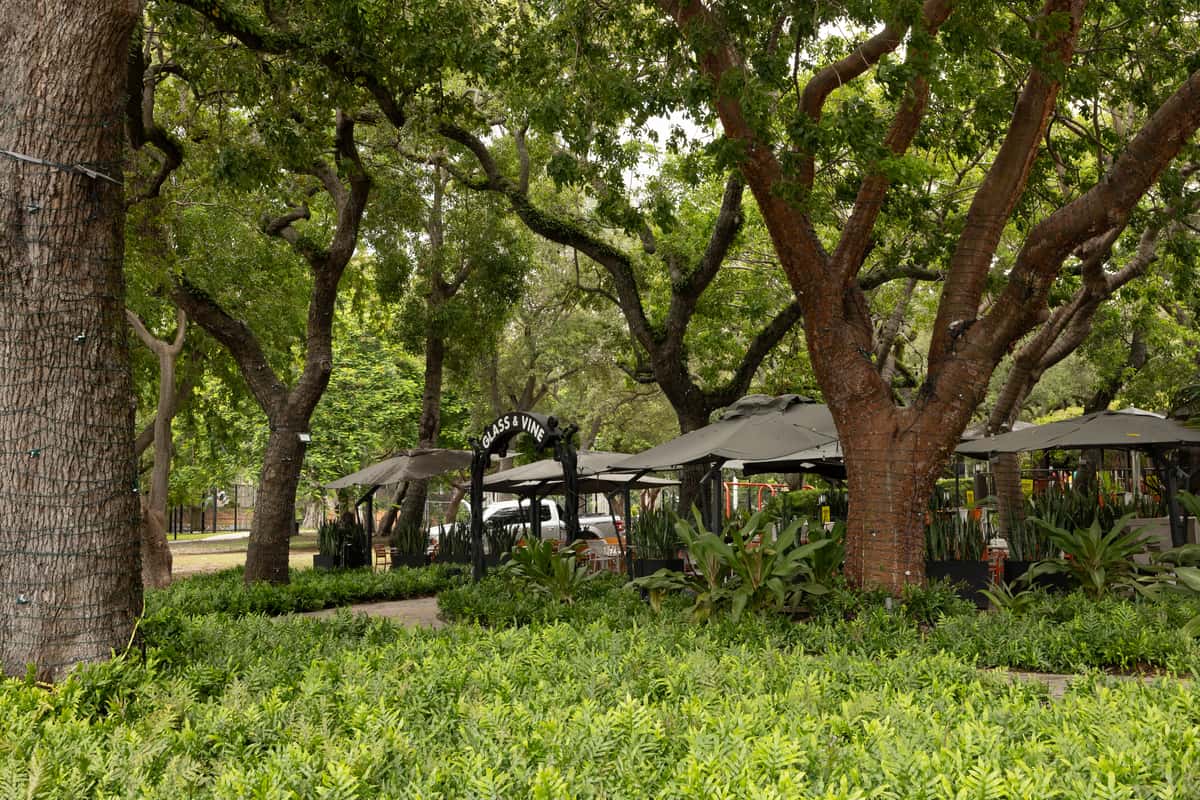
The setting you choose, whether indoor, outdoor, or semi-open-air, defines the sensory experience for every guest. Indoor spaces offer climate control and acoustic precision. Outdoor gardens and courtyards immerse guests in natural scenery. Semi-open-air venues blend both, providing fresh air with structural protection. In Coconut Grove, Glass & Vine exemplifies this approach with its open-air dining space beneath Peacock Park's oak canopy, where natural shade and garden surroundings create atmosphere without extensive decoration.
Location, accessibility, and cost work together as a single decision. A centrally located venue with easy parking, transit access, and walkable surroundings reduces no-shows and simplifies logistics. Venue costs typically represent 25 to 40% of the total event budget, so bundled food and beverage packages help keep spending predictable.
Amenities like private dining areas, distinctive design elements, and curated drink menus elevate a celebration without inflating the budget. Equally important are the details locked into your contract: cancellation terms, liability clauses, overtime fees, and included services protect your deposit and prevent surprises on event day.
What Type of Party Are You Planning?
The type of party you are planning determines every venue decision that follows. Birthday celebrations, anniversary dinners, corporate gatherings, graduation parties, showers, and holiday events each demand different layouts, capacities, and atmospheres.
How Do You Choose a Venue for a Birthday Party?
You choose a venue for a birthday party by matching the space to the guest of honor's personality, the expected guest count, and the desired energy level. A milestone birthday for 50 adults calls for a different setting than a casual gathering of 15 friends. Restaurants with semi-private dining areas work well because they provide ambiance, food service, and cleanup without the burden of hosting at home. According to the 2026 Cvent Planner Sourcing Report, 48% of event professionals now source non-hotel locations, with restaurants ranking as the most popular option at 45%. For birthday celebrations specifically, prioritize venues that offer flexible seating arrangements and curated food and beverage packages over raw event space.
How Do You Choose a Venue for an Anniversary Celebration?
You choose a venue for an anniversary celebration by prioritizing intimacy, aesthetic appeal, and a memorable dining experience. Anniversaries are personal milestones, so the venue should reflect the couple's story rather than serve as a generic event hall. Garden settings, waterfront restaurants, and spaces with distinctive architectural character create the romantic backdrop these occasions deserve. Look for venues that accommodate seated dinner formats with attentive service, since most anniversary celebrations center on a shared meal rather than a program. A space that feels special on arrival, without requiring heavy decoration, reduces both stress and cost while elevating the overall experience.
How Do You Choose a Venue for a Corporate Event?
You choose a venue for a corporate event by evaluating space flexibility, attendee accessibility, and alignment with your company's brand image. Corporate events range from product launches and team-building sessions to holiday parties and client dinners, and each format demands a different spatial configuration. According to a 2024 Research and Markets report, the global corporate events market was valued at $325 billion in 2023 and is projected to reach nearly $600 billion by 2029.
Key factors for corporate venue selection include:
- Space flexibility: Venues should support shifting formats, from networking receptions to seated presentations, without extensive reconfiguration downtime.
- Transportation access: Ease of travel for attendees influences 37% of destination decisions and 26% of venue decisions for planners.
- Booking lead time: Most corporate venues require 3 to 6 months advance booking, while holiday parties and peak-season events need 6 to 12 months.
- Capacity planning: A practical formula allocates 6 to 8 square feet per person for networking, 10 to 12 for seated dinners, and 15 to 20 for interactive activities.
How Do You Choose a Venue for a Graduation Party?
You choose a venue for a graduation party by focusing on casual versatility, group-friendly layouts, and a celebratory atmosphere. Graduation events often span multiple generations, from grandparents to college friends, so the space needs to feel welcoming across age groups. Open-air venues and restaurants with flexible seating handle this mix naturally. Since graduation parties typically fall between May and June, booking early is essential because this window overlaps with peak wedding season demand. Prioritize venues that offer shareable menus and relaxed service styles, allowing guests to mingle freely rather than sit through a formal program.
How Do You Choose a Venue for a Bridal or Baby Shower?
You choose a venue for a bridal or baby shower by selecting a space that balances charm, comfort, and practical hosting features. Showers typically involve 15 to 40 guests and center on a seated meal or afternoon gathering with activities, gifts, and conversation. A venue with a semi-private area, natural light, and an appealing visual backdrop reduces the need for excessive decoration. Restaurants with brunch or lunch service are particularly well-suited because they handle food, beverages, and setup in one package. This simplifies coordination for the host and allows them to focus on the guest of honor rather than logistics.
How Do You Choose a Venue for a Holiday or Seasonal Party?
You choose a venue for a holiday or seasonal party by planning early and securing a space that already carries a festive atmosphere. Holiday parties and year-end celebrations require 6 to 12 months of advance booking, with popular December dates filling up by summer. Venues with built-in ambiance, such as garden settings with string lights or waterfront spaces, minimize the decorating budget while maximizing visual impact. Seasonal parties also tend to have flexible guest counts, so confirm the venue's policy on final headcount adjustments before signing a contract.
Matching your event type to the right venue format sets the foundation for every decision ahead, from guest count to budget.
How Many Guests Does the Venue Need to Accommodate?
The venue needs to accommodate your confirmed guest count plus a buffer for last-minute changes. Below, choosing the right venue size depends on whether you are planning a small intimate gathering, a medium-sized group event, or a large party of 50 or more.
How Do You Choose a Venue for a Small Intimate Gathering?
You choose a venue for a small intimate gathering by prioritizing cozy, well-defined spaces that keep guests close together. Groups under 20 benefit from private dining rooms, restaurant patios, or semi-enclosed areas where conversation flows naturally. A space that feels too large for a small group creates an empty, disconnected atmosphere, so matching the room's square footage to your headcount matters more than finding the biggest option available. Look for venues that offer personalized service, flexible seating arrangements, and curated menu options scaled for smaller parties. For intimate celebrations, the quality of the setting often matters more than sheer capacity.
How Do You Choose a Venue for a Medium-Sized Group Event?
You choose a venue for a medium-sized group event by balancing capacity, quality, and scheduling flexibility. Medium groups of 20 to 50 guests need venues that comfortably support both mingling and seated dining without feeling cramped.
According to Northstar Meetings Group and Cvent PULSE, 33% of planners say finding the space and dates they want is difficult. This challenge intensifies for mid-range events, where venues may prioritize larger bookings.
Key factors to evaluate for a medium-sized event include:
- Venue quality and accommodations, which planners rate 4.42 out of 5 in importance
- Contract flexibility, since 50% of planners struggle to negotiate sufficiently flexible terms
- Staffing levels and service consistency at the venue
- Rising costs, the top concern for in-person event planners
- Attendance variability, as 40% of planners anticipate a 10% or greater decline in 2026
Booking early and confirming flexible cancellation terms helps protect mid-sized events from these common sourcing obstacles.
How Do You Choose a Venue for a Large Party of 50 or More?
You choose a venue for a large party of 50 or more by thoroughly reviewing floor plans, capacity specifications, and the venue's track record with high-volume events. Large parties demand venues with dedicated event coordination, sufficient restroom facilities, and layouts that support both seated dining and standing reception areas.
According to the 2025 Cvent Planner Sourcing Report, 94% of planners are willing to pay more to book with a preferred venue, which underscores how much trust and relationship quality matter at this scale. Technology also plays a growing role: 49% of planners now spend more time reviewing meeting space diagrams and specifications before committing.
For groups this size, investing time in site visits and detailed capacity discussions prevents day-of complications that can derail an otherwise well-planned celebration.
With guest count determined, the next step is matching your party to the right venue setting.
What Venue Setting Best Fits Your Party's Atmosphere?
The venue setting that best fits your party's atmosphere depends on whether you need climate control, natural scenery, or a blend of both. Indoor, outdoor, and semi-open-air venues each shape the guest experience differently.
How Does an Indoor Venue Shape the Party Experience?
An indoor venue shapes the party experience by providing climate control, consistent lighting, and reliable acoustics regardless of weather. Enclosed spaces allow precise temperature management, sound system optimization, and full control over decor placement.
These controlled conditions make indoor venues well suited for formal dinners, corporate presentations, and events requiring AV equipment. However, that level of control demands attentive, experienced staff. According to the 2026 Cvent Planner Sourcing Report, the greatest impacts of staffing shortages include inexperienced venue employees (42%) and unsatisfactory attendee experience (39%).
For events where ambiance depends on predictability, such as milestone birthdays or themed celebrations, indoor venues remove the risk of weather disruption. The trade-off is a more contained atmosphere that may lack the organic energy of open-air settings.
How Does an Outdoor Venue Shape the Party Experience?
An outdoor venue shapes the party experience by immersing guests in natural surroundings, open skies, and fresh air. Gardens, courtyards, and waterfront spaces create an atmosphere that feels expansive and visually dynamic without heavy decor investment.
The popularity of outdoor settings continues to grow. According to a 2026 study cited by MMC Invest on the U.S. wedding venue market, outdoor venues including gardens and barns capture roughly 65% of weddings, with 73% of couples preferring specific venue configurations. While this data reflects weddings, the preference for natural settings applies broadly to birthday celebrations, showers, and milestone parties.
Outdoor venues do require contingency planning for rain, wind, and temperature shifts. Despite that added logistics layer, few settings match the energy of a celebration held under open sky.
How Does a Semi-Open-Air Venue Shape the Party Experience?
A semi-open-air venue shapes the party experience by combining natural elements with structural protection. Covered patios, pergola-shaded terraces, and canopy-sheltered gardens allow guests to enjoy breezes and greenery while staying shielded from direct sun or light rain.
This hybrid format works particularly well in warm climates where full sun exposure can be uncomfortable but guests still want an outdoor feel. Key advantages include:
- Natural airflow and ambient light without full weather exposure
- Flexible seating arrangements that transition from daytime to evening events
- Reduced reliance on heavy HVAC or lighting equipment compared to fully indoor spaces
For hosts who want an atmosphere without unpredictability, semi-open-air venues offer the strongest balance. Understanding your venue setting narrows the search; next, consider how location and accessibility affect the final choice.
How Does Location and Accessibility Affect Your Venue Choice?
Location and accessibility affect your venue choice by directly influencing guest attendance, overall cost, and event logistics. Convenience for the majority of your guest list should guide every location decision.
A venue's geographic position determines how easily guests can arrive, how much you spend, and whether the surrounding area enhances or detracts from the celebration. According to a 2026 Paperlust report, wedding venues in the United States cost an average of $12,900, with a typical range of $3,000 to $20,000+ depending on type and location. That price swing alone shows how powerfully geography shapes your budget.
Proximity to major roads, public transit, and airports matters more than most hosts realize. A stunning venue 90 minutes from the nearest highway will generate no-shows and frustration, no matter how beautiful the space. Guests factor travel time, parking availability, and rideshare accessibility into their decision to attend. Neighborhoods with walkable restaurants, hotels, and cultural attractions also add value; attendees who can extend the experience beyond the party itself tend to rate the event higher overall.
Cost sensitivity compounds the location question. The 2025 Cvent Planner Sourcing Report found that 97% of planners would switch from a preferred venue to a second choice for cost savings of 20% or less. That statistic reveals a practical truth: location-driven pricing can override emotional attachment to a space. A centrally located venue that reduces guest travel costs and simplifies logistics often delivers more value than a remote destination that strains the budget.
ADA compliance and physical accessibility are non-negotiable considerations as well. Ramps, accessible restrooms, adequate lighting in parking areas, and ground-level entry points ensure every guest can participate comfortably. Overlooking these details risks excluding attendees and creates liability concerns.
For hosts planning events in South Florida, a venue embedded in an established, walkable neighborhood simplifies every logistical challenge at once. Choosing the right budget ensures those location advantages translate into a memorable celebration.
How Much Should You Budget for a Party Venue?
You should budget 25–40% of your total event budget for the venue itself. According to Event Hotel Stay, event budget allocation typically follows the 25–40% rule for venues and 15–25% for accommodation. For a party with a $5,000 total budget, that means setting aside $1,250 to $2,000 for the space alone. Several factors push costs higher or lower, including guest count, day of the week, season, and whether food and beverage are bundled into the venue fee. Restaurants with integrated catering often simplify budgeting because the dining experience and space rental overlap, reducing the need for separate vendor contracts. Prioritizing venues that bundle services is one of the most effective ways to keep total spending predictable.
What Food and Beverage Options Should the Venue Offer?
The venue should offer an integrated food and beverage experience that supports group dining, accommodates dietary needs, and fits your event budget. Below, we cover shareable menus, bar options, and dietary restriction planning.
How Important Are Shareable and Group-Friendly Menus?
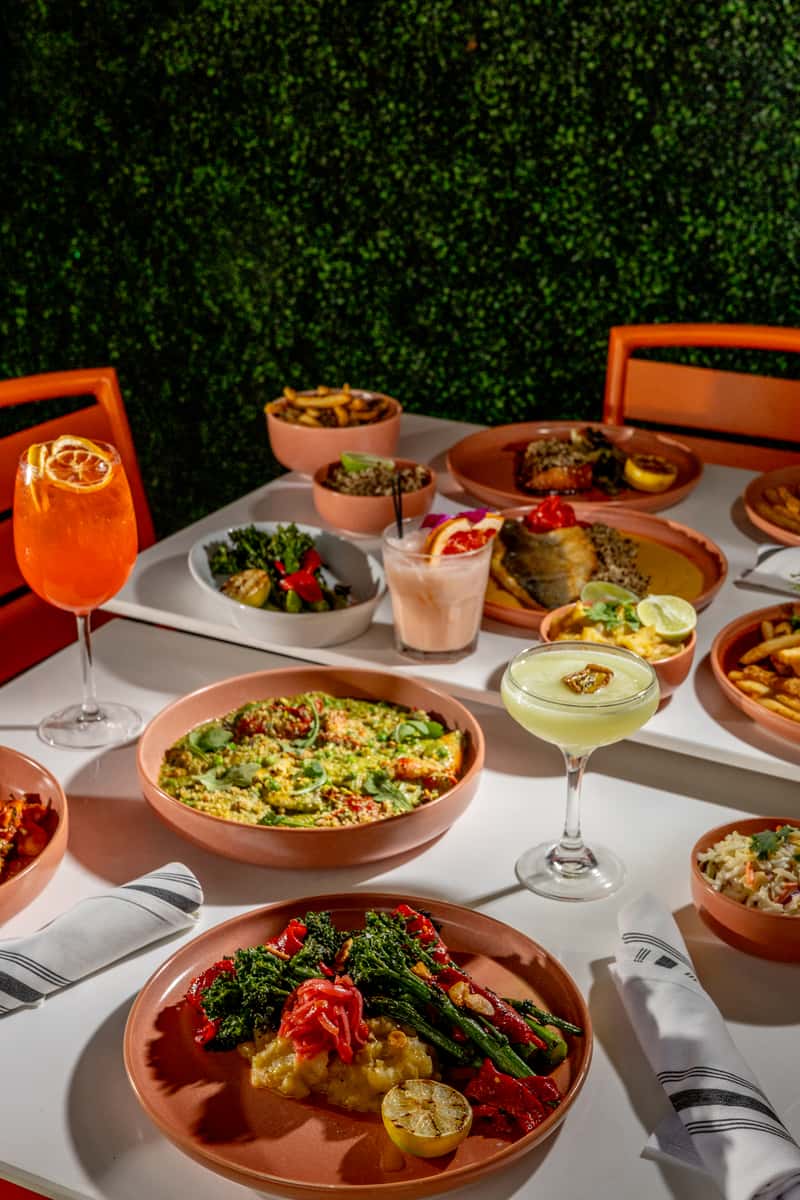
Shareable and group-friendly menus are essential for party venues because they encourage interaction and simplify service for large groups. Platters, family-style dishes, and small bites keep guests mingling rather than waiting for individual plates. Glass & Vine's menu is specifically designed around this sharing concept, featuring locally-sourced dishes that encourage communal dining in their garden setting. According to the 2026 Cvent Planner Sourcing Report, 35% of planners rank an integrated food and beverage experience among the most important elements for attendee engagement.
A venue that designs its menu around communal dining removes a major logistical burden from hosts. For any party of 15 or more, group-friendly menus reduce per-person costs while keeping the energy high and the table conversational.
Should the Venue Provide a Full Bar or Curated Drinks?
The venue should provide whichever bar format aligns with your budget and party style. A full bar offers maximum guest choice but increases costs significantly, since food and beverage represents the largest expense item for 73% of event planners, according to Statista.
Curated drink menus, by contrast, control spending while creating a more cohesive experience. A signature cocktail list or wine-and-beer-only package keeps the bar bill predictable without sacrificing quality. For most celebrations, a curated selection paired with one or two signature drinks strikes the best balance between guest satisfaction and budget discipline.
How Do You Handle Dietary Restrictions at a Venue?
You handle dietary restrictions at a venue by confirming the kitchen's flexibility before signing any contract. Ask whether the venue can accommodate common needs, including:
- Gluten-free preparations with dedicated cooking surfaces
- Vegan and vegetarian entrees beyond a single side dish
- Nut-free and shellfish-free options for allergy safety
- Kosher or halal meals sourced from certified providers
Because venues have grown less flexible in pricing and contract options in recent years, as noted in the 2025 Cvent Travel Managers Report, locking dietary accommodations into the written agreement protects you from surprise surcharges. Request a tasting that includes alternative dishes so you can evaluate quality firsthand.
With food and beverage decisions settled, the next step is evaluating which venue amenities elevate the overall experience.
What Amenities and Features Make a Party Venue Stand Out?
The amenities and features that make a party venue stand out include convenient parking, private event spaces, and distinctive design elements. Each factor shapes how guests experience the celebration.
How Important Is Parking and Transportation Access?
Parking and transportation access is critically important when selecting a party venue. Guests who struggle to find parking or navigate confusing directions often arrive stressed, which undercuts the event's atmosphere before it even begins. Venues with dedicated parking lots, valet services, or proximity to rideshare drop-off points remove that friction entirely.
According to SONCO Crowd Control, standing crowds require about 5 square feet per person for capacity estimation, so venues already managing tight spatial constraints cannot afford to overlook external logistics like parking. Proximity to public transit or major roadways also matters for guests traveling from different parts of the city. Always confirm the number of available parking spaces relative to your guest count before signing any agreement.
Does the Venue Offer Private or Semi-Private Spaces?
Yes, many venues offer private or semi-private spaces, and this distinction significantly affects the quality of a party. Fully private rooms provide complete separation from other diners or events, giving hosts full control over music, decor, and timing. Semi-private areas, often sectioned off by curtains, partitions, or elevated platforms, offer a middle ground that balances exclusivity with the energy of a larger venue.
The right choice depends on party size and formality. Intimate celebrations like milestone birthdays or bridal showers benefit from enclosed spaces where conversation flows easily. Larger, more casual gatherings often thrive in semi-private sections where guests can move freely while still feeling part of a dedicated event.
How Do Unique Design Elements Enhance a Party Venue?
Unique design elements enhance a party venue by creating a memorable atmosphere that requires minimal additional decoration. Architectural details, natural surroundings, curated lighting, and distinctive furnishings give a space its own character, reducing the need for expensive add-ons like draping, floral installations, or themed props.
Venues with strong visual identity also photograph well, which matters increasingly as guests share moments on social media. Outdoor settings with natural canopies, water features, or garden landscapes tend to stand out more than generic banquet halls. For most party planners, choosing a venue with built-in aesthetic appeal is one of the smartest ways to elevate an event while keeping the overall budget in check.
With standout amenities identified, the next step is knowing when to secure your ideal venue.
When Should You Book a Party Venue?
You should book a party venue as early as possible, ideally three to six months before your event date. Booking timelines vary by event size, season, and venue demand. Peak seasons and popular dates require even longer lead times.
Wedding venues experience peak demand from May to November, with October being the busiest month, according to Essential YFE's guide on event venue demand. During these high-demand windows, the most sought-after spaces fill months in advance. Holiday parties face similar pressure; December dates often disappear by summer. For smaller, casual gatherings, a four-to-eight-week lead time may suffice, but waiting carries risk if your preferred date falls during a busy period.
Booking early also strengthens your negotiating position. When rates and costs rank among the top factors influencing a planner's decision to book, as industry data consistently shows, securing a venue before peak pricing kicks in can preserve your budget. Early outreach gives you time to compare proposals, review contract terms, and request adjustments without the pressure of a looming deadline.
For anyone planning a party in Coconut Grove or South Florida, the warm climate means outdoor venues stay in demand year-round. Understanding your venue's booking patterns before reaching out helps you avoid the frustration of discovering your ideal date is already taken.
What Questions Should You Ask Before Signing a Venue Contract?
The questions you should ask before signing a venue contract cover cancellation terms, liability, included services, and hidden fees. These four areas protect your deposit and prevent surprises on event day.
Before putting pen to paper, request a full breakdown of what the quoted price includes. Many contracts bundle certain services while charging separately for others, and assumptions made during a tour rarely hold up once the agreement is finalized. According to Venue Quoter, cancellation policies outline penalties for client cancellations, recover lost revenue, and cover administrative costs in venue contracts.
Key questions to ask before signing include:
- What is the cancellation policy, and at what point do you forfeit your full deposit?
- Who holds liability for accidents or injuries during the event?
- Are tables, chairs, linens, and audiovisual equipment included or rented separately?
- What overtime fees apply if the event runs past the scheduled end time?
- Does the venue require you to use preferred vendors, or can you bring your own?
- Are service charges and gratuities included in the quoted price?
- What happens if the venue cannot accommodate your event due to unforeseen circumstances?
Reading every clause carefully is the single most overlooked step in venue planning. Most disputes stem from vague language around refund timelines and force majeure provisions, so clarifying these terms upfront saves significant stress later.
Understanding contract details positions you to focus on what truly makes an event memorable, like choosing a venue with the right atmosphere.
Why Does an Open-Air Garden Venue Elevate a Party?
An open-air garden venue elevates a party by combining natural scenery, fresh air, and flexible space into one immersive setting. Below, learn how Glass & Vine brings this concept to life and what to prioritize when choosing any party venue.
Can Glass & Vine in Coconut Grove Host Your Next Party?
Yes, Glass & Vine in Coconut Grove can host your next party. Nestled beneath the oak canopy of Peacock Park, Glass & Vine offers a lush, open-air dining environment that naturally suits celebrations of all sizes. The garden-inspired setting provides a relaxed yet refined atmosphere where guests connect with nature, good food, and good company.
Glass & Vine features versatile spaces for gatherings, from intimate dinners to larger group events. The all-day menu emphasizes locally sourced ingredients designed for sharing, while a curated cocktail, beer, and wine selection rounds out the experience. Families benefit from the playground-adjacent location, and dog-friendly patios welcome four-legged guests with a dedicated menu. For anyone planning a party in Miami, few venues match the combination of scenic outdoor ambiance and full-service dining that Glass & Vine delivers in the heart of Coconut Grove.
What Are the Key Takeaways for Choosing a Party Venue?
The key takeaways for choosing a party venue center on five priorities: matching the venue to your event type, confirming guest capacity, selecting the right atmosphere, evaluating food and beverage quality, and understanding the full cost.
- Match the venue setting to your party's tone, whether that calls for an indoor ballroom, outdoor garden, or semi-open-air space.
- Verify capacity by calculating square footage per guest based on your event format.
- Prioritize venues with integrated food and beverage service to simplify planning and reduce outside vendor coordination.
- Ask detailed contract questions about cancellation terms, liability, overtime fees, and included amenities before signing.
- Budget for hidden costs. According to the Zola Wedding Cost Index, service charges, gratuities, overtime fees, and weather contingencies can add 9–15% to total costs beyond initial vendor quotes.
Starting your search early, visiting venues in person, and requesting itemized proposals will consistently lead to better outcomes. The right venue does more than hold your guests; it shapes the entire experience.