
Different Types of Bar Service for Events | Guide
Different Types of Bar Service for Events | Guide
Bar service types for events are the distinct beverage formats hosts select to control costs, shape guest experience, and match the formality of an occasion. Each type defines who pays for drinks, what beverages are available, and how service is structured throughout the event.
This guide covers hosted and cash bar models, consumption and ticket-based systems, tiered liquor packages, non-alcoholic bar service, event-specific bar selection, and the operational logistics that tie everything together.
Hosted bars place the full or partial drink tab on the event host, with options ranging from unlimited open bars to limited setups that cap spending, restrict drink categories, or confine service to specific time windows. Cash bars shift costs to guests entirely, making them practical for large-scale or casual events where attendees expect to purchase their own beverages.
Consumption bars charge hosts only for drinks actually ordered, offering flexibility when guest drinking patterns are unpredictable. Drink ticket systems give hosts per-guest control by distributing a set number of redeemable vouchers, then converting to a cash bar once tickets run out.
Tiered liquor packages (well, premium, top-shelf, beer and wine only, and signature cocktail) determine brand quality and per-person pricing. Non-alcoholic dry bars are gaining momentum as a standalone or hybrid format, driven by rapid growth in the no-alcohol beverage market.
Choosing the right format depends on event type; weddings, corporate functions, outdoor parties, and fundraisers each call for different approaches. Bartender staffing ratios, permit requirements, and venue beverage policies all influence which service types are viable before a single drink is poured.
What Is a Hosted Bar for an Event?
A hosted bar for an event is a bar service where the host pays for all or a portion of guests' drinks. The sections below cover how open hosted bars operate, what limited hosted bars include, and typical per-person pricing.
How Does a Hosted Open Bar Work?
A hosted open bar works by allowing guests to order drinks freely while the event host covers the entire tab. Guests approach the bar, choose from the available drink menu, and pay nothing out of pocket. The host either negotiates a flat per-person rate with the venue beforehand or receives an itemized bill based on total consumption at the end of the event.
Most hosted open bars include beer, wine, and a selection of cocktails, though the specific offerings depend on the package tier selected. Bartenders track drink counts or the venue monitors total volume poured to calculate the final cost. For hosts planning a generous guest experience, this format eliminates any transactional friction at the bar and keeps the celebration flowing.
What Is a Limited Hosted Bar?
A limited hosted bar is a modified version of the open bar where the host restricts the drink selection, sets a spending cap, or limits the service window. Rather than offering unlimited access to all beverages for the entire event, the host defines boundaries that control costs while still covering the tab for guests.
Common restrictions include:
- Offering only beer and wine while excluding spirits.
- Setting a dollar limit per guest or a total budget ceiling.
- Hosting drinks during cocktail hour only, then switching to a cash bar for the remainder.
- Curating a menu of two or three signature cocktails instead of a full liquor selection.
This approach balances hospitality with budget discipline, making it one of the most practical formats for mid-range events.
How Much Does a Hosted Bar Typically Cost Per Person?
A hosted bar typically costs between $15 and $90 per person, depending on the liquor tier and event duration. A basic open bar with well liquors runs $15 to $30 per person, while premium top-shelf service ranges from $50 to $90 per person, according to 2025 wedding catering data compiled by Chef Bill Blackburn using figures from The Knot.
Several factors shift that per-person price:
- Premium brands add $5 to $10 per person over well liquors; top-shelf selections add $10 to $15.
- Service charges (18 to 24%) and gratuity (15 to 20%) can increase the total bar bill by 25 to 40%.
- Planning for two to three drinks per guest helps estimate base consumption accurately.
With 40% of Americans reporting plans to drink less in 2025, incorporating mocktail or non-alcoholic options can reduce per-person beverage costs without sacrificing the guest experience. Understanding how cash bars differ from hosted setups helps determine which model fits your budget.
What Is a Cash Bar at an Event?
A cash bar at an event is a bar setup where guests purchase their own drinks individually rather than having the host cover beverage costs. Below, the specifics of when this format works best and how to handle payments are covered.
When Is a Cash Bar the Right Choice?
A cash bar is the right choice when the event budget does not accommodate host-covered beverages, or when the occasion is casual enough that guests expect to buy their own drinks. Corporate networking mixers, large-scale fundraisers, and community gatherings are common scenarios where this format fits naturally. Hosts planning events with high guest counts often find that shifting drink costs to attendees keeps overall spending manageable. According to 2025 wedding catering cost data from Chef Bill Blackburn Farm to Table, the average total alcohol cost at a wedding is $2,800, representing about 11 percent of the total wedding budget. For hosts who cannot absorb that figure, a cash bar provides a practical alternative without eliminating bar service altogether.
How Do You Set Up Payment at a Cash Bar?
You set up payment at a cash bar by equipping bartenders with a point-of-sale system that accepts credit cards, debit cards, and cash. Contactless payment terminals have become standard at most event bars, reducing wait times and keeping the line moving. Clearly posted drink menus with prices should be displayed at the bar so guests know costs before ordering. Tipping jars or a built-in gratuity option on the POS screen ensures bartenders are compensated fairly. Coordinating with the venue in advance on electrical access, Wi-Fi for card processing, and cash-handling procedures prevents service disruptions during the event.
Understanding cash bar logistics prepares you to evaluate consumption-based pricing next.
What Is a Consumption Bar for an Event?
A consumption bar for an event is a bar service model where the host pays only for the drinks guests actually order, rather than a flat per-person rate. The venue or caterer tracks each drink served throughout the event and presents a final itemized tab to the host at the end of the night.
This approach functions as a middle ground between a fully hosted open bar and a cash bar. Guests enjoy the experience of complimentary drinks without paying out of pocket, while the host avoids overpaying for beverages that go unconsumed. For events where drinking patterns are difficult to predict, such as mixed-demographic gatherings or afternoon receptions, consumption pricing offers welcome flexibility.
Most consumption bars charge per drink at a pre-negotiated price, though some venues bill by the bottle for wine and champagne. Hosts can set a spending cap to prevent the total from exceeding their budget; once the cap is reached, the bar either closes or converts to a cash bar for the remainder of the event. According to wedding catering cost data from Chef Bill Blackburn Farm to Table, the average total alcohol cost at a wedding is $2,800, representing about 11 percent of the total wedding budget. For hosts working within that range, a consumption model helps keep spending proportional to actual guest behavior.
The main advantage is cost efficiency. If fewer guests drink than expected, or if the event runs shorter than planned, the host saves considerably compared to a flat-rate hosted bar. However, the risk runs in the opposite direction too: a crowd of heavy drinkers can push the final bill well beyond what a per-person package would have cost. Setting a clear spending ceiling before the event eliminates this uncertainty.
For planners weighing consumption pricing against other models, the format works best when guest counts are uncertain or when a significant portion of attendees may prefer non-alcoholic options. With drink ticket systems offering a different kind of per-guest control, understanding when each approach fits matters.
What Is a Drink Ticket Bar Service?
A drink ticket bar service is a system where event hosts provide guests with a set number of physical or digital tickets, each redeemable for one drink at the bar. This approach controls costs while still offering complimentary beverages. The sections below cover how many tickets to distribute and which drinks tickets typically include.
How Many Drink Tickets Should You Give Per Guest?
You should give two to three drink tickets per guest for a standard event lasting three to four hours. A common planning rule of thumb is to estimate two to three drinks per guest over the course of an event, according to Chef Bill Blackburn's wedding catering cost data. Shorter cocktail hours may need only one or two tickets, while longer receptions could warrant four. Distributing tickets at the door, rather than mailing them in advance, helps prevent loss. After guests use their allotted tickets, they can switch to a cash bar for additional drinks. This hybrid structure keeps budgets predictable without cutting guests off abruptly.
What Drinks Are Usually Included With Tickets?
The drinks usually included with tickets are beer, wine, and well liquor cocktails. Most hosts limit ticket-eligible beverages to a house-level selection to keep per-drink costs consistent and manageable. Premium or top-shelf spirits can be included, though they typically require a separate ticket tier or an upcharge at the bar. Non-alcoholic options like sodas, sparkling water, and mocktails should also be redeemable, since not every guest drinks alcohol. Hosts working with a venue should confirm which specific brands and pours fall within the ticket program. Because bartenders handle ticket redemption directly, proper alcohol server training matters; according to Craft Serving, 17 U.S. states require mandatory alcohol server training with penalties for noncompliance.
Understanding ticket-eligible drink categories helps hosts align their bar package with the right service tier.
What Are the Main Types of Bar Packages by Tier?
The main types of bar packages by tier are well, premium, top-shelf, beer and wine only, and signature cocktail. Each tier determines the brand quality, drink variety, and per-person cost of your event bar.
Well or House Liquor Bar
A well or house liquor bar serves standard, cost-effective spirit brands as the base for all mixed drinks. These packages typically include familiar but unbranded or entry-level options for vodka, rum, gin, whiskey, and tequila. Because the liquor cost per pour is lower, well bars deliver the most affordable per-person pricing of any full-spirit package. According to wedding catering cost data compiled by Chef Bill Blackburn, per-person costs for a basic open bar range from $15 to $30, making well packages a practical default for budget-conscious hosts. For events where guests care more about having drinks available than about label recognition, a well bar covers the essentials without overspending.
Premium Liquor Bar
A premium liquor bar upgrades the spirit selection to recognizable, mid-tier brand names. Guests can expect labels like Tito's vodka, Jameson whiskey, Bombay Sapphire gin, and Patrón Silver tequila, depending on the venue's offerings. This tier typically adds $5 to $10 per person over well-brand pricing, which makes it the most popular middle ground for weddings and corporate gatherings. The brand visibility matters; guests notice the difference between a generic pour and a name they trust. For most event hosts balancing quality with cost control, premium packages consistently deliver the best perceived value.
Top-Shelf or Ultra-Premium Bar
A top-shelf or ultra-premium bar features the highest-quality spirits available, including brands like Grey Goose, Macallan, Hendrick's, and Don Julio 1942. This tier increases per-person costs by $10 to $15 over well-brand pricing. Top-shelf packages often include aged whiskeys, small-batch bourbons, and reserve tequilas that signal sophistication to guests. They are best suited for milestone celebrations, executive receptions, or intimate gatherings where the drink experience itself is part of the event's impression. While the price jump is significant, the added cost per guest often remains modest when spread across a full headcount.
Beer and Wine Only Bar
A beer and wine only bar limits the beverage selection to curated beers and wines, excluding spirits and mixed cocktails entirely. This package is one of the most budget-friendly options because it eliminates the cost of hard liquor, specialty mixers, and the more complex bartending labor that cocktails require. It works especially well for daytime events, brunches, and casual receptions where guests prefer lighter drinking. Hosts can elevate this tier by selecting local craft beers or boutique wines that reflect the event's theme or region. For many afternoon celebrations, this format keeps the atmosphere relaxed while keeping costs well below a full-spirit bar.
Signature Cocktail Bar
A signature cocktail bar offers a curated menu of two to four custom drinks designed specifically for the event. Each cocktail is pre-selected by the host, often reflecting a theme, season, or personal story. Because the ingredients are batched in advance and the menu is limited, preparation is faster and waste is lower than a full open bar. This format pairs well with beer and wine packages as a hybrid option, adding a creative, memorable touch without the expense of an unlimited spirit selection. Signature cocktail bars have become one of the strongest ways to personalize an event while maintaining predictable costs.
With the right tier selected, understanding alcohol-free alternatives helps round out your bar plan.
What Is a Dry Bar or Non-Alcoholic Bar Service?
A dry bar or non-alcoholic bar service is a beverage station that serves exclusively alcohol-free drinks at an event. This service type features crafted mocktails, non-alcoholic spirits, specialty sodas, fresh juices, and elevated coffee or tea presentations. Rather than simply offering water and soft drinks, a well-executed dry bar replicates the sophistication of a traditional cocktail bar without any alcohol.
Demand for this format is accelerating. According to The IWSR, the US no-alcohol market is forecast to grow at an 18% volume CAGR from 2024 to 2028, with the total market expected to reach close to $5 billion by 2028. Millennials hold the largest share of no-alcohol drinkers by age cohort and are the group experimenting across different non-alcoholic subcategories the most.
Several factors make dry bar service the right fit for specific events:
- Recovery and sobriety-focused gatherings benefit from an environment where every guest feels included without social pressure.
- Corporate conferences and morning events pair naturally with elevated non-alcoholic options, keeping attendees focused and energized.
- Venues like Glass & Vine in Coconut Grove offer both alcoholic and non-alcoholic beverage programs that can accommodate corporate events and celebrations with curated cocktail menus alongside inclusive drink options.
- Family celebrations and children's parties eliminate liability concerns entirely while still offering a curated beverage experience.
- Religious or cultural events where alcohol is prohibited gain a polished, celebratory feel through artisan mocktail menus.
- Health and wellness retreats align their programming with functional beverages, adaptogen-infused drinks, and botanical tonics.
From a planning perspective, dry bars simplify event logistics considerably. Hosts avoid liquor liability insurance, alcohol permits, and server certification requirements that apply to every other bar service type. Per-person costs typically run lower than alcoholic options, since premium non-alcoholic spirits and craft ingredients cost less than their alcoholic counterparts at volume.
For planners weighing whether to go fully dry or blend approaches, a hybrid model works well: pair a limited alcoholic bar with a dedicated mocktail station so guests self-select. This inclusive strategy reflects the broader "sober curious" movement without restricting anyone's preference. Matching the right bar service to your guest list and event goals is what the next section covers in detail.
How Do You Choose the Right Bar Service Type for Your Event?
You choose the right bar service type for your event by matching the format to your occasion's formality, guest expectations, and budget. The best fit varies by event category, from weddings and corporate functions to outdoor parties and fundraisers.
What Bar Style Works Best for a Wedding Reception?
The bar style that works best for a wedding reception is a full open bar or a premium hosted bar with signature cocktails. Weddings demand the highest level of hospitality because guests expect a seamless, celebratory experience. According to Market Intelo's 2034 Mobile Bartender Services Market Report, weddings command 34.2% of total mobile bartender market revenues in 2025, with the average U.S. couple spending approximately $4,600 on bar services alone.
A tiered approach often works well in practice. Offering a signature cocktail bar during the cocktail hour, then transitioning to a full open bar for dinner and dancing, balances personalization with variety. Including a curated mocktail menu alongside spirits accommodates non-drinking guests without diminishing the premium feel. For most couples, investing in quality over quantity at the bar creates a more memorable impression than simply maximizing drink options.
What Bar Setup Is Ideal for a Corporate Event?
The bar setup ideal for a corporate event is a limited hosted bar or drink ticket system with a professional, restrained drink menu. Corporate functions prioritize controlled consumption, brand image, and networking, so the bar should facilitate conversation rather than become the focal point. According to Market Intelo's 2034 Mobile Bartender Services Market Report, corporate events capture approximately 26.8% of mobile bartender service revenues in 2025 and are growing at a 9.6% CAGR through 2034.
Key considerations for corporate bar setups include:
- Limiting drink tickets to two or three per attendee to maintain professionalism.
- Offering beer, wine, and one signature cocktail rather than a full liquor selection.
- Providing premium non-alcoholic options, since many professionals prefer to stay sharp during work functions.
A consumption bar also works well here; the host pays only for what guests actually order, keeping costs predictable while maintaining a generous appearance.
What Bar Service Fits a Casual Outdoor Party?
The bar service that fits a casual outdoor party is a self-serve beer and wine station, a batch cocktail bar, or a cash bar with simple drink options. Outdoor parties thrive on low-maintenance setups that keep the atmosphere relaxed and minimize wait times.
Practical formats for outdoor events include:
- Batch cocktail stations: Pre-mixed pitchers of two or three drinks reduce bartender bottlenecks.
- Beer and wine coolers: Self-serve tubs require minimal staffing and keep costs low.
- BYOB with a bartender: Guests contribute beverages while a hired bartender handles service and responsible alcohol management.
Outdoor settings in warm climates benefit from lighter, refreshing drink menus. Frozen cocktails, spritzers, and citrus-forward mocktails tend to perform better than heavy spirits in the heat. Open-air venues like Glass & Vine, set beneath Peacock Park's oak canopy in Coconut Grove, pair naturally with outdoor event bar service by combining shade, atmosphere, and a curated cocktail program designed for Miami's climate.
What Bar Type Works for a Large-Scale Fundraiser?
The bar type that works for a large-scale fundraiser is a combination of drink tickets and a cash bar, or a consumption bar with a donor-sponsored open bar period. Fundraisers must balance guest enjoyment with revenue generation, since the event's purpose is raising money rather than covering unlimited drink tabs.
Effective fundraiser bar strategies include:
- Providing one or two complimentary drink tickets at entry, then switching to a cash bar.
- Offering a premium "VIP bar" as a silent auction item or sponsorship opportunity.
- Selling signature cocktails at a markup, with proceeds directed toward the cause.
Permit requirements also matter at this scale. In many jurisdictions, events selling alcohol in private venues require a special occasion permit or catering endorsement, so verifying local licensing obligations early prevents last-minute complications.
Understanding your event type narrows bar service decisions significantly, but the venue itself introduces another layer of considerations.
How Many Bartenders Do You Need for an Event Bar?
You need approximately one bartender for every 50 guests at an event bar. The exact number depends on bar service type, drink complexity, and event duration.
The standard industry ratio is one bartender per 50 guests for events serving beer, wine, and simple mixed drinks. Cocktail-focused bars with craft or signature drinks require a lower ratio, closer to one bartender per 35 to 40 guests, because preparation time per order increases significantly.
Several factors shift staffing requirements:
- Events lasting longer than four hours need additional bartenders to cover breaks and sustained service pace.
- Multiple bar stations reduce wait times but require at least one bartender per station.
- Self-serve elements like beer taps or wine dispensers can reduce the number of bartenders needed.
- High-volume periods, such as cocktail hour, often benefit from an extra bartender even at smaller events.
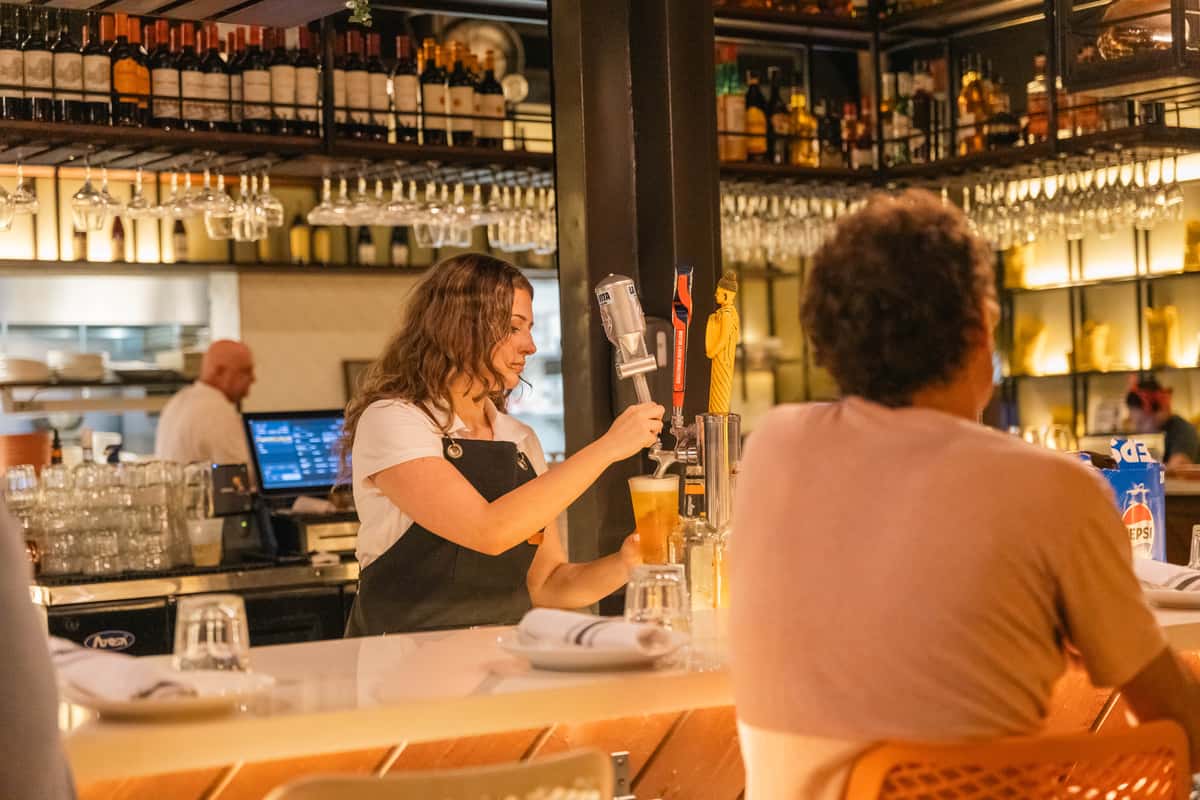
Understaffing creates long lines that frustrate guests and slow alcohol service across the entire event. For most planners, rounding up rather than down is the safer approach, especially when signature cocktails or complex drink menus are involved. Even a gathering of 75 guests warrants two bartenders if the menu includes anything beyond basic pours.
Understanding your staffing needs helps determine which permits or licenses your event may require.
What Permits or Licenses Are Required for Event Bar Service?
The permits or licenses required for event bar service include a liquor license, a temporary event permit, alcohol server certifications, and liquor liability insurance. Requirements vary by state, county, and event type.
Event bar service in Florida typically requires coordination between the venue's existing liquor license and any additional temporary permits for off-site or special events. In states like Florida, the venue or caterer holding the license bears primary responsibility for legal alcohol service, but hosts should verify coverage before signing any contract.
Key permits and licenses for event bar service include:
- State liquor license: The venue or catering company must hold a valid license issued by the state's Division of Alcoholic Beverages and Tobacco. Without this, alcohol cannot be legally served or sold.
- Temporary event permit: Events held at unlicensed locations, such as parks or private properties, require a temporary permit that specifies the date, location, and duration of alcohol service.
- Alcohol server training certification: According to Craft Serving, 17 U.S. states mandate alcohol server training, with penalties for failure to complete training within a specific number of days after hire. Florida requires responsible vendor training for all servers.
- Liquor liability insurance: This coverage protects hosts and venues against alcohol-related incidents. Minimum coverage amounts vary by jurisdiction, ranging from $300,000 to $2,000,000 per occurrence depending on the city and event type.
- Local health and business permits: Some municipalities require additional health department clearances or temporary business licenses when food and beverages are served at non-standard locations.
Missing even one permit can result in fines, event shutdowns, or personal liability for the host. For planners working with an established venue in Coconut Grove or elsewhere in Miami-Dade County, confirming that the venue's existing licenses cover your specific event format is the single most important step in the planning process.
Understanding your licensing requirements upfront shapes every other bar service decision, from venue selection to vendor contracts.
How Does the Event Venue Affect Your Bar Service Options?
The event venue affects your bar service options by determining whether you can bring outside alcohol, hire independent bartenders, or must use in-house catering exclusively. Venue type shapes everything from licensing flexibility to hidden fees.
Your venue choice influences three key areas: beverage sourcing restrictions, mobile bartender feasibility, and additional costs that may not appear in the initial contract. Understanding these factors before signing a venue agreement prevents budget surprises and ensures the bar service style you want is actually permitted.
According to a 2025 Market Intelo report on the mobile bartender services market, North America commanded 38.5% of global revenues that year, with the United States hosting an estimated 2.5 million weddings annually. That volume means venue policies vary enormously; some locations welcome outside bar vendors, while others require exclusive use of their own beverage program.
Venues with existing liquor licenses, such as restaurants, hotels, and dedicated event halls, typically restrict outside alcohol and bundle bar service into catering packages. These all-inclusive arrangements simplify logistics but limit your ability to customize drink menus or negotiate per-drink pricing independently.
Venues without a liquor license, including parks, private estates, barns, and raw event spaces, usually allow you to bring your own alcohol and hire a mobile bartender. This flexibility often enables lower per-drink costs and fully customized cocktail menus, though it shifts liability and permit responsibilities onto the event host.
Even when a venue permits outside beverages, hidden fees can significantly affect your budget. Common charges to watch for include:
- Corkage fees of $10 to $15 per bottle when supplying your own alcohol
- Kitchen rental fees of $200 to $1,000 for caterer use of the venue's kitchen
- Cake cutting fees of $1 to $7 per slice when bringing an outside baker
These fees, documented in 2025 wedding catering cost data from Chef Bill Blackburn, can quietly add hundreds or thousands of dollars to an event that initially appeared budget-friendly.
Outdoor venues and garden settings deserve special consideration. They offer atmosphere and flexibility for portable bar setups, but they may require additional permits, weather contingency plans, and power sources for blending equipment or refrigeration. For planners weighing sustainability, 33% of event planners now offer sustainable food and beverage options, including locally sourced and seasonal menus, a preference that aligns naturally with outdoor venue settings.
The most important step is reading the venue contract's beverage clause before committing. Confirm whether outside alcohol is permitted, which vendors are approved, and what surcharges apply. This single review prevents the most common bar service conflicts and keeps your chosen service type viable.
With venue logistics clarified, a venue that already offers curated cocktails and event-ready dining simplifies this process entirely.
How Can an Outdoor Dining Venue with Curated Cocktails Elevate Your Event Bar Experience?
An outdoor dining venue with curated cocktails can elevate your event bar experience by combining professional bar service, an atmospheric setting, and a crafted beverage program under one roof. Glass & Vine in Coconut Grove delivers exactly this combination.
Does Glass & Vine in Coconut Grove Offer Event-Ready Bar and Cocktail Service?
Yes, Glass & Vine in Coconut Grove offers event-ready bar and cocktail service. Set beneath Peacock Park's oak canopy, Glass & Vine pairs its lush, open-air setting with a curated cocktail menu, a selection of beer and wine, and brunch-to-dinner dining options. This combination allows hosts to simplify event planning by working with a single venue that handles food, beverages, and ambiance together.
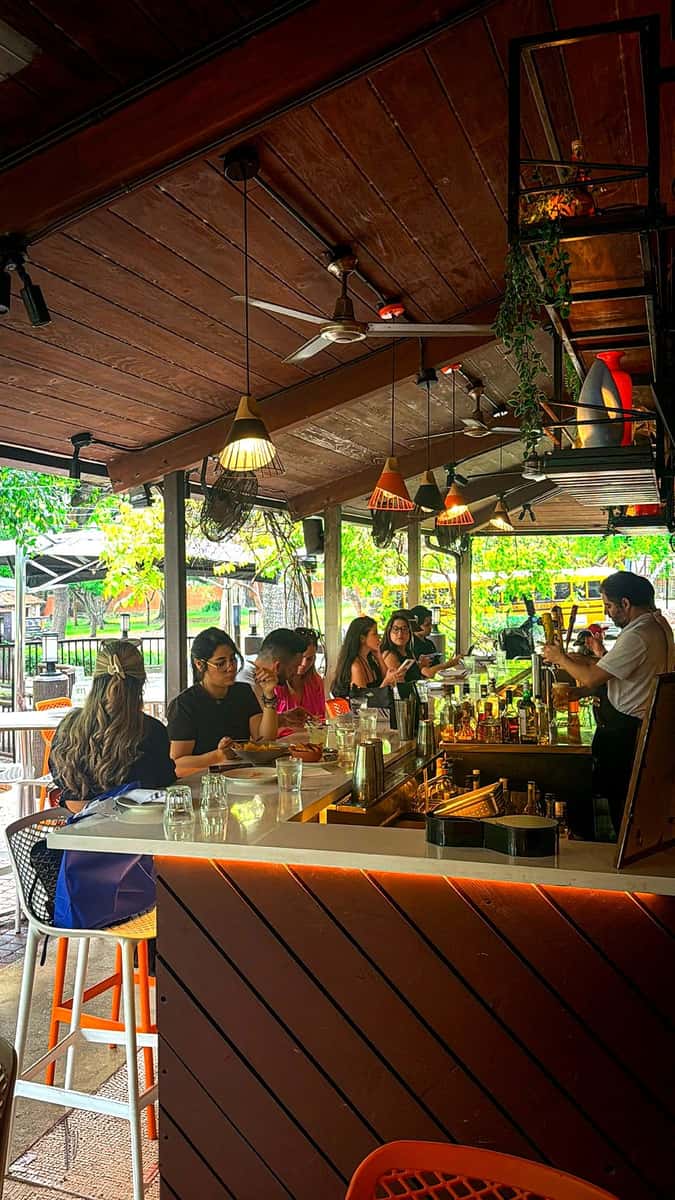
According to the Market Intelo Mobile Bartender Services Market Research Report 2034, non-alcoholic beverage offerings represented 28.4% of market revenues in 2025 and are projected to grow at a 13.2% CAGR through 2034. Glass & Vine accommodates this shift with a beverage program designed around both alcoholic cocktails and inclusive drink options for every guest.
What Are the Key Takeaways About Different Bar Service Types for Events?
The key takeaways about different bar service types for events are:
- Hosted bars, cash bars, consumption bars, drink ticket setups, and tiered liquor packages each serve different budget levels and guest expectations.
- Matching bar service type to event format, whether a wedding reception, corporate gathering, or casual outdoor celebration, prevents overspending and improves guest satisfaction.
- Liquor liability insurance, bartender staffing ratios, and local permit requirements apply regardless of which service type you choose.
- Non-alcoholic and mocktail options are no longer optional additions; they reflect a significant and growing segment of guest preferences.
- Venue selection directly shapes bar service possibilities, since an established restaurant like Glass & Vine already holds licensing, employs trained staff, and maintains a full beverage inventory.
With about 2.01 million U.S. couples marrying in 2025 and a wedding services market valued at $64.93 billion in 2024, according to Chef Bill Blackburn Farm to Table's Wedding Catering Cost Statistics, choosing the right bar service has never carried more financial weight. For hosts planning events in Coconut Grove, Glass & Vine offers the rare advantage of pairing venue, kitchen, and bar program into one seamless experience.